
Looking after your reproductive health means more than visiting a gynaecologist when symptoms appear. Regular check-ups, appropriate screening tests and reliable medical information can all play an important role in maintaining your health and identifying changes that may require further assessment.
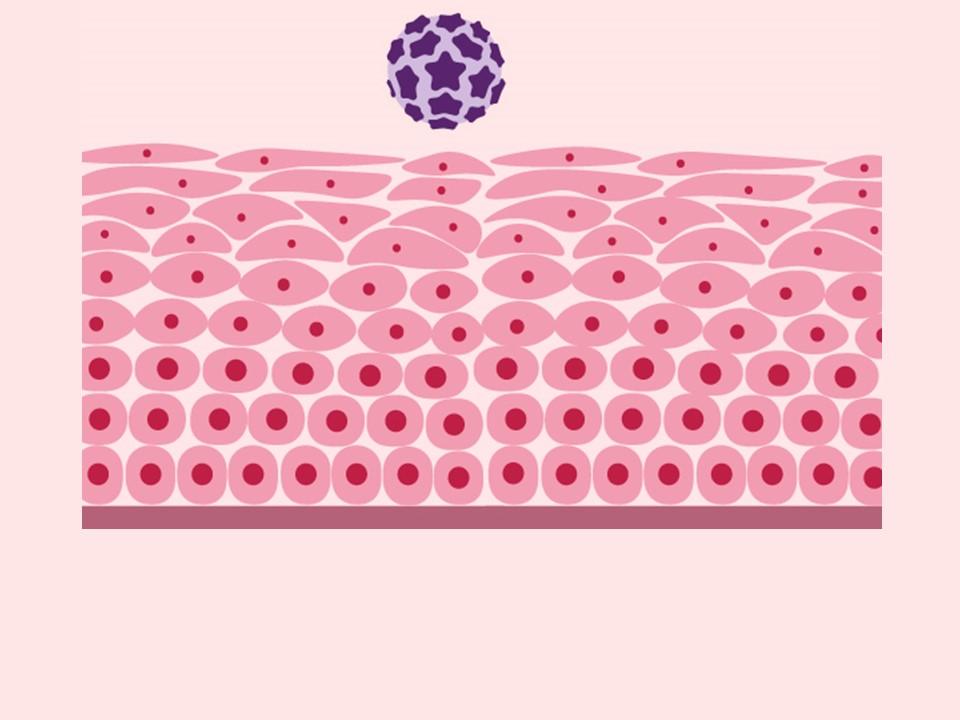
One important topic in women's healthcare is human papillomavirus (HPV). This common virus is associated with changes in cervical cells, and persistent infection with certain high-risk HPV types can lead to cervical cancer.
Understanding the purpose of HPV testing, the Pap smear test and colposcopy can help you make informed decisions about your health. Although these examinations are related, they serve different purposes and cannot always replace one another.
At IR-IS medic, a gynaecology clinic in Žarkovo, Belgrade, patients can access gynaecological examinations and diagnostic services to support their reproductive health.
What Is HPV?
Human papillomavirus, commonly known as HPV, is a group of viruses with many different types. HPV is common and can be transmitted through intimate skin-to-skin contact.
In many cases, the immune system controls the infection naturally, without long-term consequences. However, persistent infection with certain high-risk HPV types can cause changes in cervical cells. If these changes are not identified and appropriately monitored or treated, some may eventually develop into cervical cancer.
A positive HPV test does not mean that a woman has cancer. It indicates that the tested HPV infection is present, and the next steps depend on the HPV type, other test results, age and individual risk factors.
HPV infections often cause no noticeable symptoms. This means that a woman may feel completely well while an infection is present.
What Is a Pap Smear Test?
A Pap smear, also called a Papanicolaou test, is a laboratory examination of cells collected from the cervix. Its purpose is to identify cellular changes that may require monitoring or further investigation.
During the examination, a healthcare professional collects a small sample of cervical cells. The sample is then analysed in a laboratory. The procedure is usually brief, although some women may experience mild discomfort.
A Pap smear may show normal findings or cellular changes that require further assessment. An abnormal result does not automatically mean that cancer is present. Depending on the findings, a healthcare professional may recommend repeat testing, HPV testing, colposcopy or another diagnostic procedure.
Pap smear testing is an important part of cervical cancer prevention because it can identify potentially significant cellular changes before they develop into more serious disease.
What Is the Difference Between a Pap Smear and HPV Testing?
Although both tests contribute to cervical cancer prevention, they examine different things.
A Pap smear test examines the appearance of cervical cells and can identify changes that may require further evaluation.
HPV testing detects the presence of certain types of human papillomavirus. Depending on the test used, HPV genotyping can provide additional information about which HPV type is present.
These tests may be used separately or together, depending on medical guidelines, age, previous results and the healthcare professional's assessment.
There is no need to decide on your own which test is most appropriate. Your gynaecologist can recommend the most suitable examination or combination of tests for your individual circumstances.
What Is Colposcopy and When Is It Recommended?
Colposcopy is an examination of the cervix using a specialised optical instrument that allows the healthcare professional to examine cervical tissue more closely.
It may be recommended when a Pap smear identifies certain abnormalities, when HPV test results require further assessment or when another clinical finding needs closer investigation.
During colposcopy, special solutions may be applied to make potentially abnormal areas easier to identify. If necessary, a small tissue sample may be taken for a biopsy.
Being referred for colposcopy does not mean that cancer has been diagnosed. The purpose is to examine the cervix in greater detail and determine whether further investigation or treatment is needed.
When Should You Schedule a Gynaecological Examination?
The appropriate timing of preventive examinations and the choice of screening tests depend on age, medical history, previous results and individual risk factors. There is no single schedule that is suitable for every woman.
Even if you have no symptoms, it is important to discuss your next appointment and appropriate screening options with your gynaecologist.
You should also seek medical advice if you experience:
Bleeding after sexual intercourse.
Bleeding between menstrual periods or after menopause.
Unusual vaginal discharge that persists or changes.
Pain during sexual intercourse or other new symptoms.
These symptoms can have several possible causes and do not automatically indicate a serious condition. However, they should be assessed by a healthcare professional rather than self-diagnosed.
Can the HPV Vaccine Help Prevent Cervical Cancer?
HPV vaccination is an important preventive measure against HPV types that can cause certain cancers and other health conditions.
Vaccination provides the greatest benefit when given before exposure to the virus, which is why it is recommended at younger ages in accordance with national guidelines. Older individuals can also discuss vaccination with their healthcare professional to determine whether it may be appropriate for them.
It is important to understand that the HPV vaccine does not treat an existing infection and does not replace recommended cervical screening. Vaccinated women should continue to follow screening recommendations.
Protecting Your Health Starts with the Right Information
HPV is common, but the presence of the virus does not automatically mean that disease will develop. Regular gynaecological examinations, appropriate screening and timely follow-up can help identify cervical changes and prevent their progression.
The most important step is not to postpone an examination because of uncertainty or fear. Speaking with a gynaecologist can help you understand your results, get answers to your questions and establish a follow-up plan suited to your needs.
IR-IS medic – Gynaecology Clinic in Žarkovo, Belgrade
If you would like to book a gynaecological examination or learn more about Pap smear testing, HPV testing and colposcopy, contact IR-IS medic.
Address: Spasovdanska 8V, Žarkovo, Belgrade, Serbia
Phone: +381 11 4542 083 | +381 69 604 400 | +381 60 4542 080
Your health deserves attention throughout the year.